Newbill Is Write-In For Culbertson Board
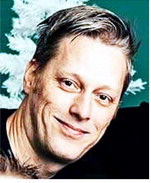
Chris Newbill filed as a write-in candidate in the race for two open positions on the Culbertson School Board. The other three candidates are Erin Rhodes and incumbents Wendy Becker and Christopher Petersen. The election is set for Tuesday, May 5, from noon-9 p.m. in the school cafeteria.
All candidates were given the following questions to help voters make their selections.
Why are you running for the school board and what are your top objectives?
Newbill: “As a parent to three children attending the school, I’m running to do my part in helping the educators and staff provide not only the core knowledge required, but the spark to continue a lifelong curiosity and hunger for more knowledge. To reinforce community values of cooperation, care, empathy, and giving back to your community without the expectation of anything in return. As with any new endeavor, you don’t know what you don’t know. The top objective, at least initially, would be to dive deeper into the mechanics of being a board member and assessing exactly how I can help address educator concerns. The world is moving fast and I’d like to explore opportunities that help prepare our children to start their lives from a position of strength. Not every child will attend college and that’s okay, but regardless of their eventual profession, being able to properly plan and use technology will be the minimum requirement for them to remain competitive. Assistive technologies can be integrated into the classroom to help teachers empower all students when there isn’t enough time for one-on-one instruction. There are many possibilities, we just have to imagine them and try.”
How would you specifically support teachers and education support personnel?
“I started to cover this, but it seems like many are being asked to perform more functions with less resources. While trying to acquire more is top of mind, it may not always be possible and more creative solutions to provide that reduction, spread the load, is what I’d be looking into. I have no illusion that I can
wave a magic wand and solve all the problems, you generally cannot. Reviewing the existing communication and feedback/review processes is something I’d also like to look into. Making sure it’s not just the loudest voices, but all voices are heard. That we are not only doing our best to arrive at the most equitable solutions, but showing how we came to that decision.”
What is your view of the purpose of public education?
I think I’ve said something similar before and even in this questionnaire. At this level of education, its main function is to learn how to learn. We have but a short 13 years to do so. Outside of ensuring the mandated curriculum is met, public education is also a place to reinforce the values of the community. To mold productive citizens and helpful hands. Our programs help the educators inspire the children and align to the values. Whether that’s in band and providing our children the realization that they can just do things they may have thought they couldn’t or as part of a sports program where they learn to rely on each other in the face of fear and adversity, real camaraderie.
How will you build your relationship with school staff?
“Being genuinely present and receptive. There isn’t really much else to do. Trust is earned through action. I’ve been upfront with the teachers and staff that I have had conversations with that the actions may not always 100 percent align with the goals of a particular group. Best outcome for all is the goal, but may not be the reality. I guess that’s more an answer to question one, as the role of the board is to make those hard decisions in the interest of the community.”
What do you see as your role in the district?
“My role would be to keep the district solvent, efficient, and moving forward to provide the tools that the educators, staff, and children need to graduate and begin the next phase of their journey. To take the many points of view, circumstances, possibilities and willingness for change, and help turn those difficult decisions into real plans of meaningful, progressive action.”