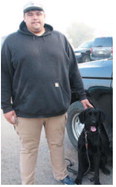
Program Seeks To Lift Fort Peck Reservation Youth For Better Lives
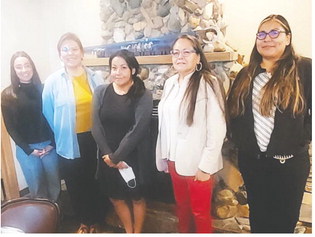
Johns Hopkins Study
After five years of research work being completed, representatives of the Johns Hopkins Nursing University shared results with Fort Peck Reservation community leaders and members during programs last week.
Information about the project, which aims to decrease substance use and cases of suicide, was provided during programs in Frazer, Wolf Point and Poplar last week. Part of the program was honoring local Head Start officials who have played key roles during the process.
The “Little Holy One” program’s goal is to instill traditional Dakoda and Nakoda cultural values in children as a protective factor against adolescent suicide and substance use.
Fort Peck Head Start director Hilary Gourneau explains that for the young children to have a sense of identity is essential.
“Seeing the identity piece is key for Native people to have a sense of belonging,” Gourneau said. “
“Little Holy One” features four cultural lessons to re-engage and connect the youth to their culture.
Since nationally the average age of a Head Start instructor is 62 years old, Gourneau noted that many of them are part of a generation that is missing an identity and a sense of belonging as well. “Both sides are healing and learning,” she added.
Gourneau said the program will plant seeds to heal and change lives.
Mina Kazemi, research manager for the project, said, to build amazing great leaders, “It starts with little people. It starts with young children.”
Alex Herrald, on-site manager and evaluator, explained that the program features 12 components. Areas include parenting skills: encouraging early learning skills: cultural lessons to encourage tribal identity; and coping skills to teach parents/caregivers to understand emotions.
Objectives of the program included reducing symptoms of historical trauma and everyday stress among parents/caregivers; improving children’s emotional and behavioral developmental outcomes to reduce future risk for suicide and substance use; offering parenting skills support; and supporting parents/ caregivers in addressing their own stress or trauma.
Results suggest that “Little Holy One” intervention may: Reduce symptoms of historical trauma and everyday stress among parents/ caregivers; improve children’s emotional and behavioral outcomes to reduce future risk for suicide and substance use; improve parenting knowledge and practices; and support parents/caregivers in addressing their own stress and trauma.
Gourneau said the study of data will provide Head Start a foundation when seeing families that are healing. The steady and data will provide resources for information to come. Study
Continued from page 1 Teresa Brockie, associate professor at Johns Hopkins and principal investigator, is impressed that the study was completed despite challenges including the Covid epidemic.
“We learned we could sustain and finish the study,” Brockie said. “It’s a big win for us.”
Gourneau said the project could be life changing for many individuals and families. Additional funding will be needed to edit curriculum, train staff and implementation of the program.
“I know money takes time,” Gourneau said. “I hope it’s the top priority for many tribal entities. It can happen quickly. It depends on budget priorities.”