Mental Wellness Among Topics At Fort Peck Tribal Health Training
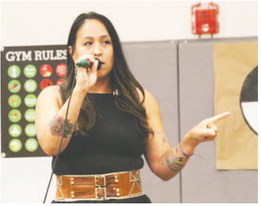
As part of the Fort Peck Tribal Health’s Community Wellness Training on Tuesday, July 14, Dr. Adriann Buckles provided a positive regarding mental health wellness.
Buckles opened her presentation by talking about the importance of a strong cultural background. Buckles is the founder of Spotted Hail Woman Consulting. She is an enrolled member of the Fort Peck Assiniboine and Sioux tribes.
She asked audience members what keeps them well? How many things on their list are things they intentionally make time for every week? How many of these things are free? Answers included “me” time, time with children, prayer, time with animals, working with individuals in poverty and playing sports.
“We all have different things to make us feel well,” Buckles stressed.
Buckles, who holds a PhD in indigenous health from the University of North Dakota, explained that everybody deals with mental health struggles. Internal factors include genetics, personality, coping skills, emotional regulation, beliefs, physical health, sleep, nutrition, spirituality and purpose. External factors include housing, employment, racism, discrimination, poverty, education, family relationships, violence, historical trauma, policy, healthcare access, culture and community belonging.
She explained her own healing journey, which featured driving her then 4-year-old son in Poplar where a serious fight was taking place. While Buckles was continuing to drive past the incident, her son was in tears and screamed that they needed to help the people in the fight. “Then it hit me. We live in a violent environment. All of us,” Buckles said.
She told audience members that it was then she began to understand her own risk factors for mental health.
Buckles stressed the importance of family, culture and ceremony in order to achieve mental wellness. “Improving our mental wellness doesn’t happen without a lot of support,” she explained. Identity shapes our mental wellness.”
Identity includes culture, language, gender, spirituality, family roles, lived experience and community.
“We have the right to know who we are and where we come from,” Buckles said.
She explained that protective factors for mental wellness include connection, identity, culture, community, purpose, elders, language, ceremony, exercise and stable housing.
Risk factors are isolation, adverse childhood experiences, poverty, substance use, disconnection, trauma, racism, grief, burnout and chronic stress.
Buckles stressed strength comes from communities. Instead of fixing individuals, the focus should be shifted to making communities stronger by building relationships, supporting identify, creative belonging and addressing systems.
Other speakers during the training were Dr. Natalie Weeks-O’Neal on physical health wellness, Mike Turcotte and Dylan Youpee on spiritual health wellness, Loy Sprague on emotional health wellness, Jessica Spotted Bull with a holistic wellness activity and Ashley Solheim with a presentation about opioid prevention.