2026 Updates To Private Pesticide Applicator Licensing, Requirements
By Wendy Becker MSU Extension Roosevelt County There have been some changes to the Private Pesticide License in 2026. These changes were made in cooperation with the EPA, which increased its standards for certification and training of pesticide applicators as of Jan. 1.
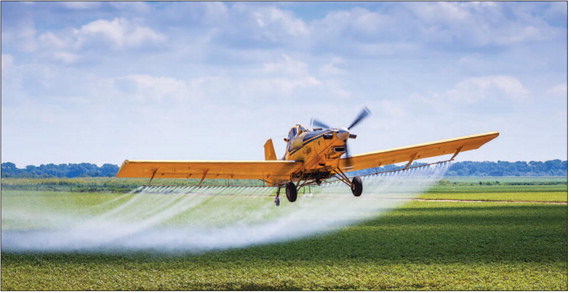
For the private applicator license, the required training hours for initial certification have increased from seven to eight hours. The required topics have also been revised; for example, the topic formerly called “Integrated Pest Management” is now called “Ag Pest Management.” Additionally, some categories that were previously included in the general license are now separate. These categories include aquatic, aerial, non-soil fumigation, M-44, and livestock collar. For the M-44 and livestock collar categories, Montana Department of Agriculture field staff will still need to provide specific training, which includes a hands-on component. All of these separate categories will require a testing option. The exam is open-book with a passing score of 70 percent. There is no fee to obtain these additional categories; however, you must first have a general license before adding any extra categories.
The minimum age to hold a license is 18. However, family member workers may be 16 if they are under the supervision of an existing family permit holder. This exception does not apply to fumigant restricted-use pesticides, sodium cyanide, sodium fluoroacetate, or aerial applications. These individuals must also be trained annually.
Additional requirements include maintaining records for five years, providing safe working conditions, ensuring access to labels, and maintaining communication with a supervisor.
There are also new regulatory requirements involving specific labeling on some chemical formulations, in accordance with the Endangered Species Act. As of May 2026, the only product with specific label wording is Liberty Ultra. Some of the new language includes managed areas, buffer zones, spray drift, and erosion.
Bulletin Live Two provides up-to-date maps to determine whether your area or chemical is on the list of regulated materials. Some exemptions apply, including spot treatments, small acreage (less than 1/10 acre), injection treatments, and berm availability.
Some recordkeeping requirements were rescinded as of July 11, 2025. However, you are still required to keep restricted-use pesticide records for two years, as well as comply with Worker Protection Standards.
The same license fees still apply at $60 per five-year cycle. The eastern Montana region is in District 4, and licenses will expire on Dec. 31, 2026. If you need to take a test, please contact your MSU Extension agent. If you need to earn additional credits before your license expires, MSU Extension will offer several opportunities in the fall, as this is the final year of the current cycle.